I have committed my education and career to studying insects, with a primary focus on integrated pest
management of arthropods in agriculture.
I am an entomologist with expertise in insect field ecology and integrated pest management. Currently, I
am pursuing a PhD in Biology, using molecular techniques to identify, analyze, and manage the genetic
diversity and pesticide resistance of spider mites in southwestern Ontario. My research focuses on
characterizing new species and developing advanced RNAi-based alternatives to tailor sustainable pest and
resistance management strategies.
Relevant Coursework: Statistics for Science, Research Hypothesis Testing,
Community Ecology, Molecular Genetics, Organismal Physiology, Communicating Research to
General Audiences.
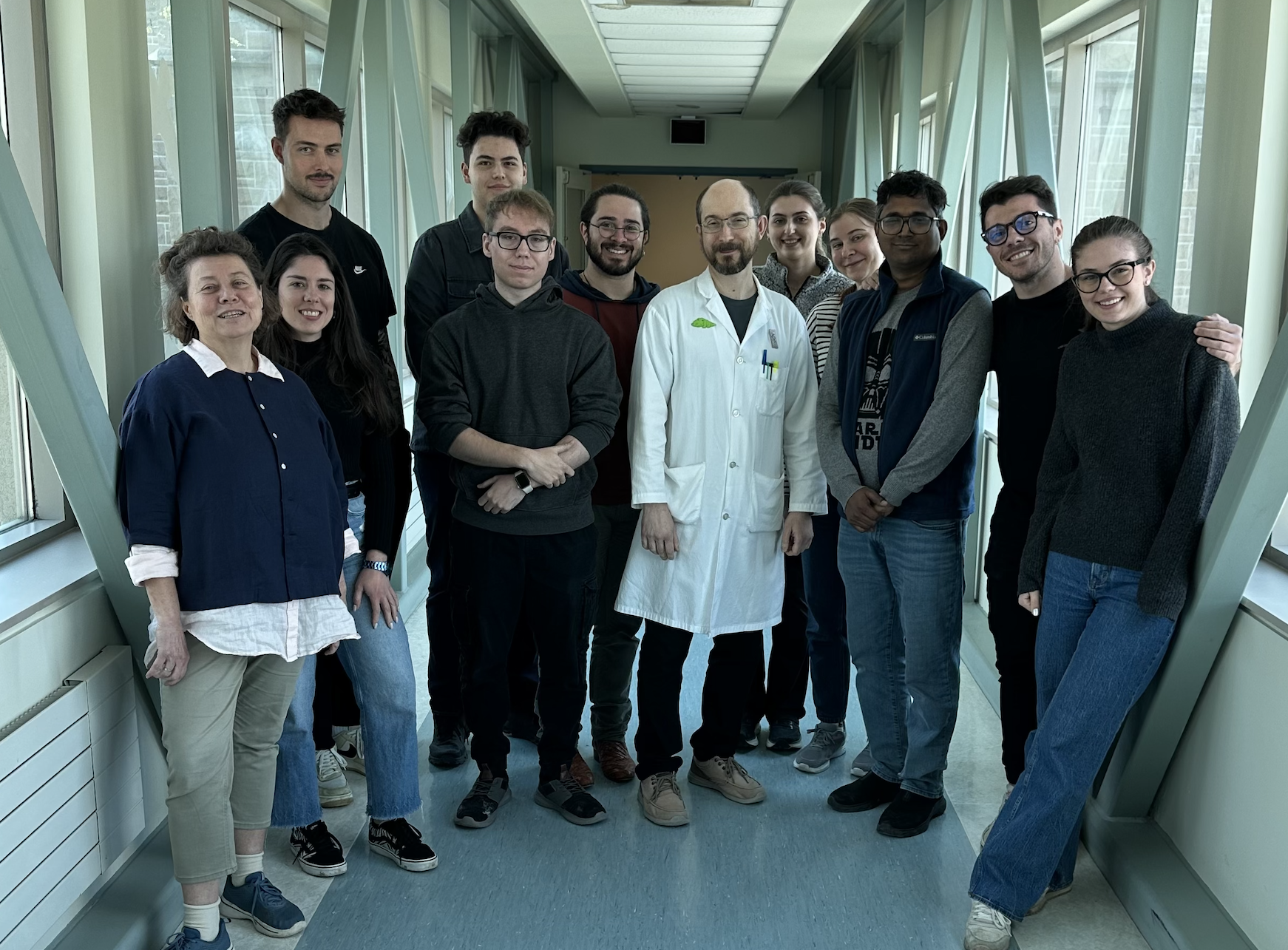
Our laboratory at The University of Western Ontario in London, Canada, studies the genomics
and genetics of plant–host adaptation, with a focus on mite–plant interactions.
Building on decades of research, including the pioneering sequencing of the two-spotted spider mite
(Tetranychus urticae) genome, we develop diagnostic tools for rapid pesticide resistance
detection and RNAi-based strategies to manage resistant populations.
We combine molecular biology with sustainable pest management, working closely with growers, industry,
and government partners to translate research into practical agricultural solutions. Through research,
collaboration, and training, our lab aims to improve crop protection and support environmentally
responsible agriculture.
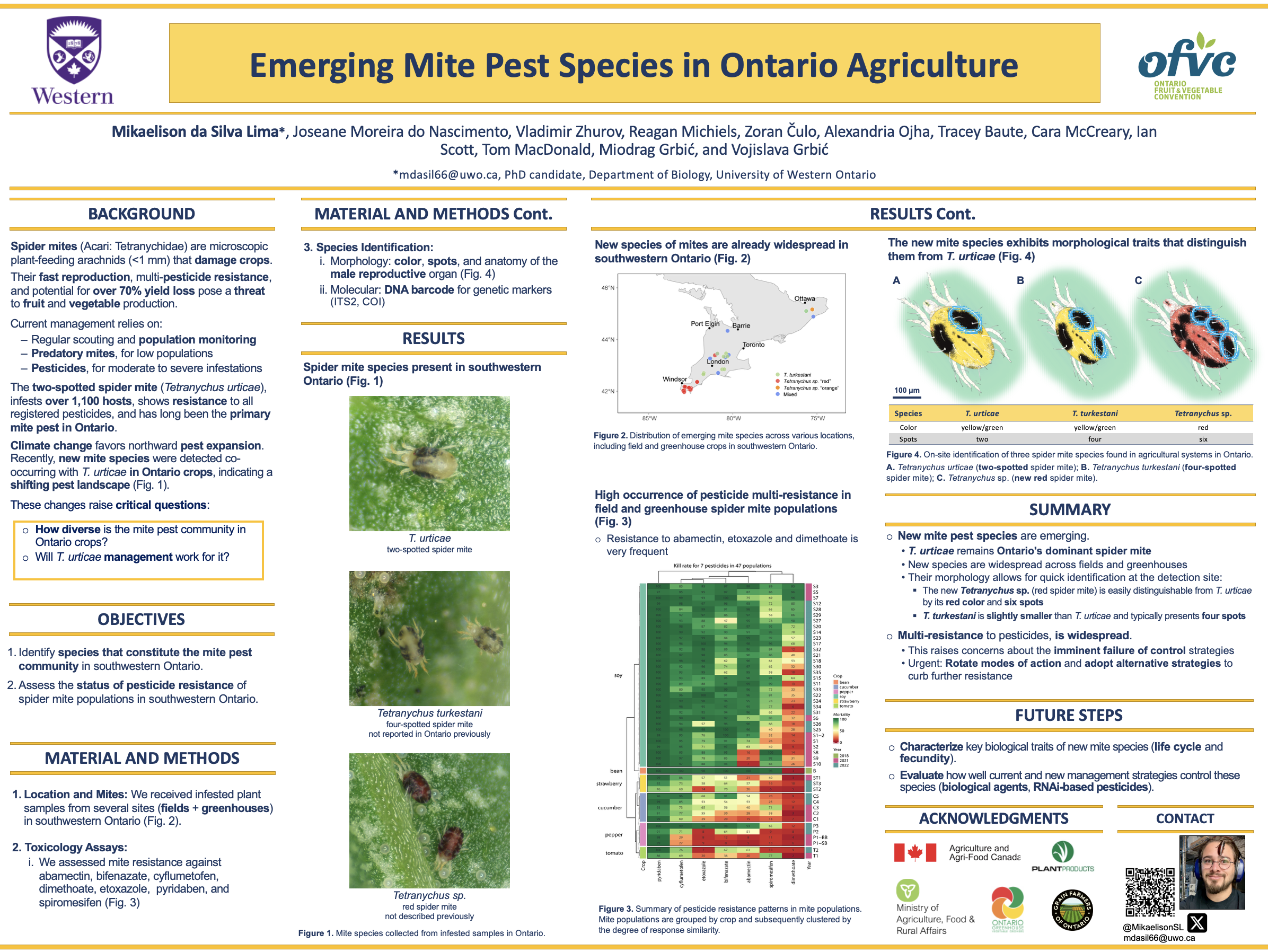
My current research explores the biological and molecular diversity of spider mite species in Ontario’s
agricultural systems.
By combining these insights with applied approaches, we aim to tailor integrated pest
management through data-driven strategies and more effective methods for monitoring and managing pesticide
resistance.
During my master’s degree in Entomology at the University of Nebraska–Lincoln, I investigated the
spatiotemporal dynamics of soybean gall midge (Resseliella maxima Gagné) in the soil. My work focused
on understanding how this emerging pest develops and persists belowground to improve monitoring and
management strategies.
Soybean gall midge is a relatively recent but economically significant soybean pest in the Midwestern
United States. Since its discovery, it has spread across multiple states, causing substantial yield
losses and posing an increasing challenge for growers.
Because much of its life cycle occurs in the soil,
key aspects of its biology remain poorly understood. This knowledge gap makes it difficult to predict
outbreaks and develop effective control strategies, underscoring the importance of studying its
distribution
and behavior belowground.
Through this research, we achieved four key objectives related to soybean gall midge ecology in the soil.
We characterized the depth distribution of overwintering
immature stages in the soil profile, examined their spatial and temporal patterns throughout the growing
season, tracked their redistribution in the soil over time, and mapped their horizontal distribution using
high-resolution grid sampling. Together, these findings provide a more complete picture of soybean gall
midge ecology and
offer practical insights to support its management.
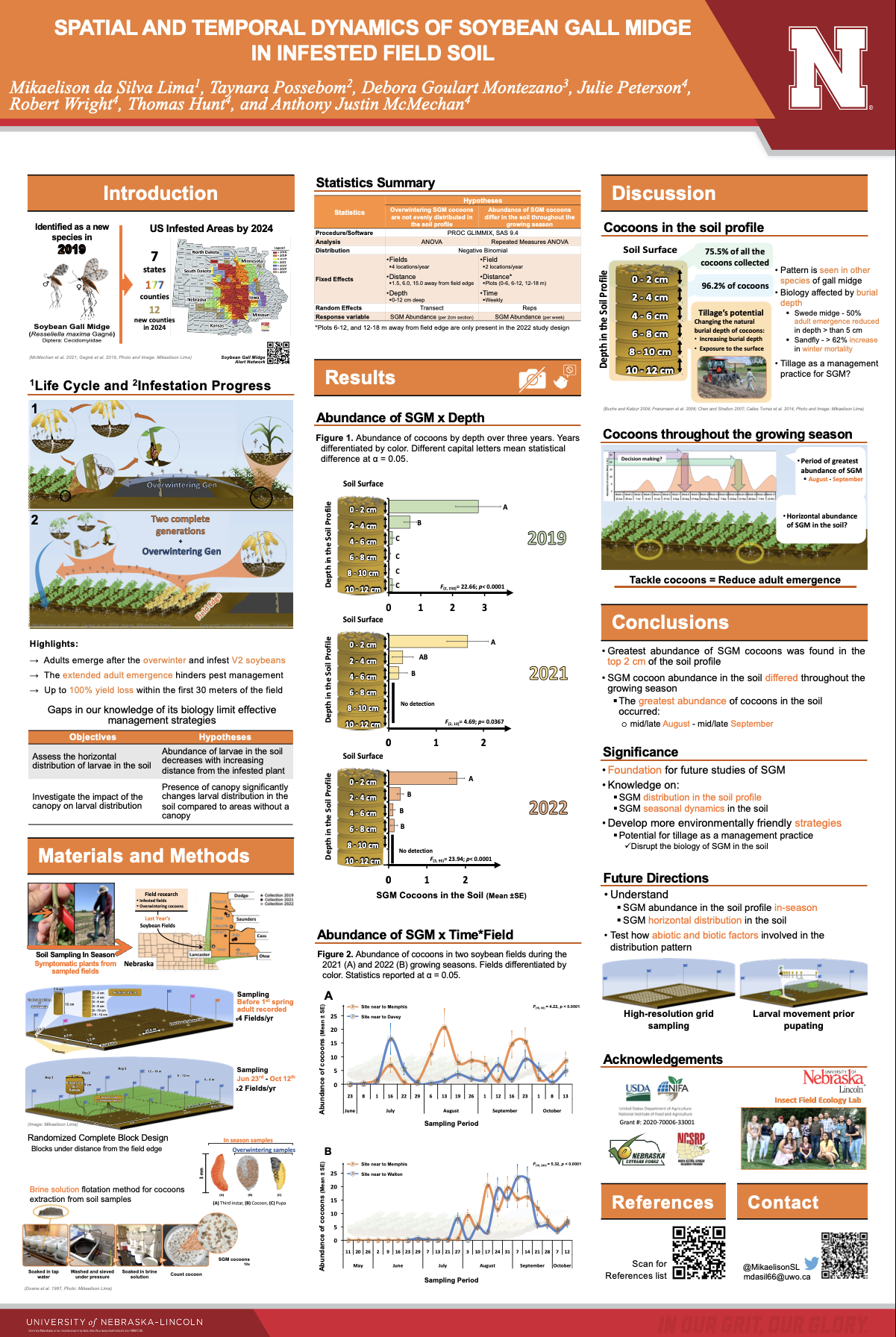
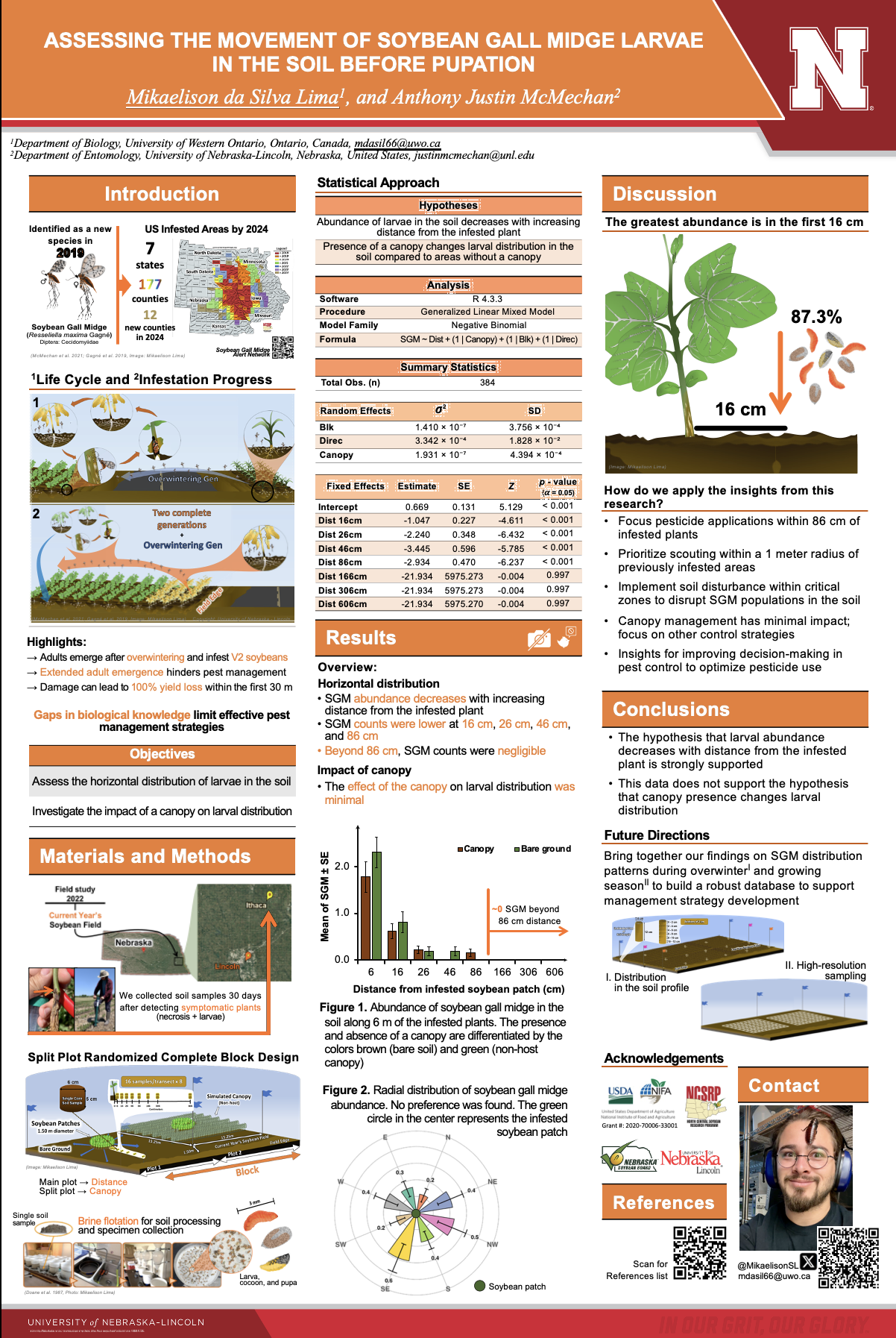
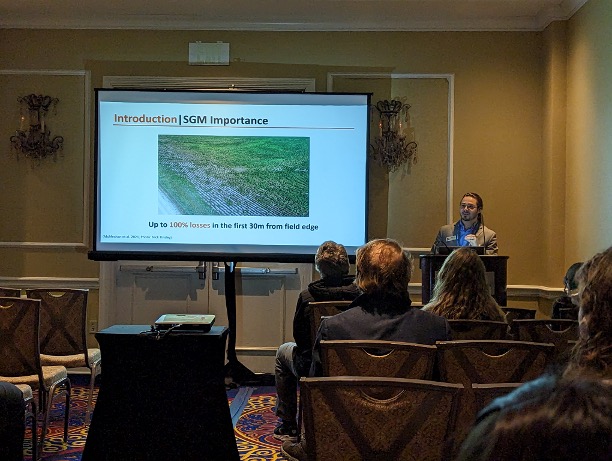
Presenting part of my master’s thesis during the Annual Entomology
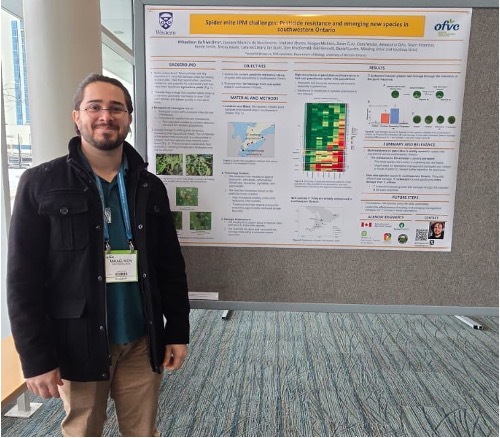
North Central Branch Meeting in Oklahoma.Presenting a poster on the characterization of spider mite species and
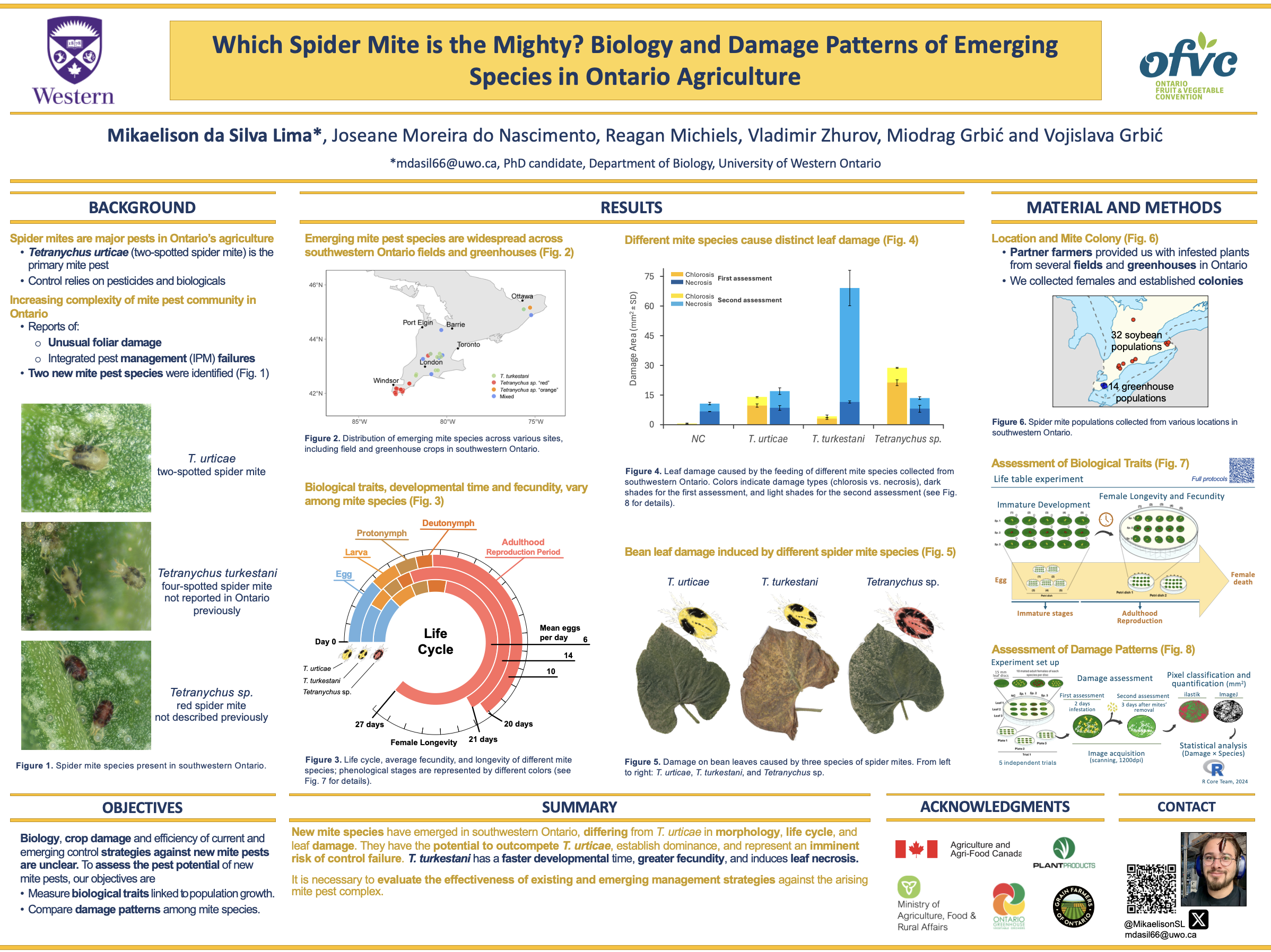
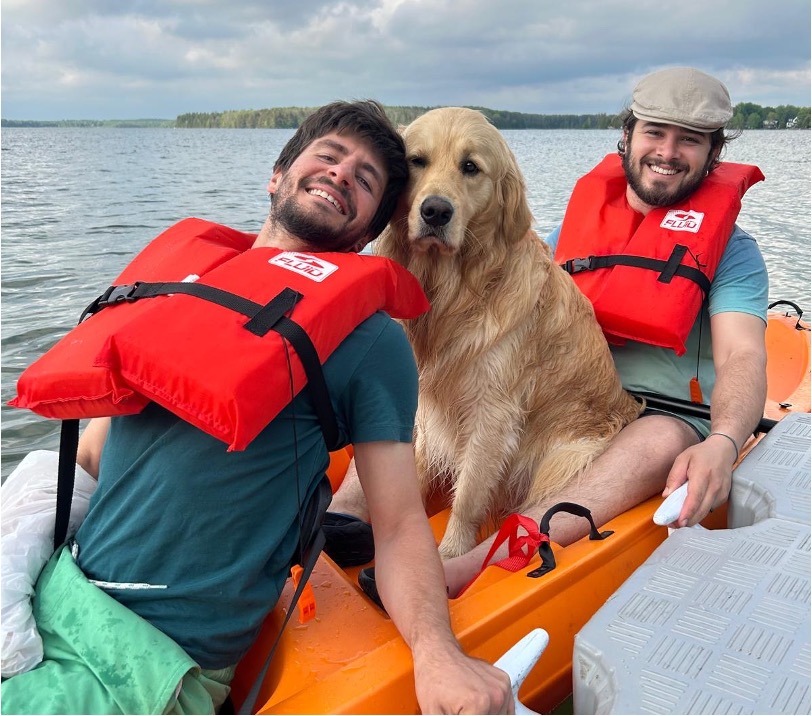
resistance status in Ontario at the Ontario Fruit and Vegetable Conference.My family and I enjoying what we love most: nature. Left to right: my
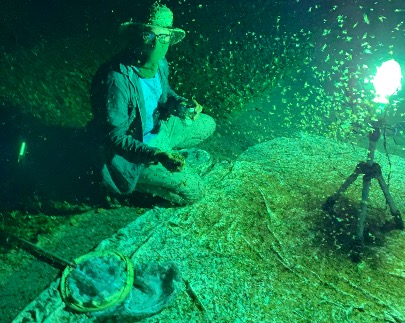
partner, Floki, and me kayaking on Eugenia Lake, Ontario.Inside a cloud of caddisflies on a night of insect blacklighting at
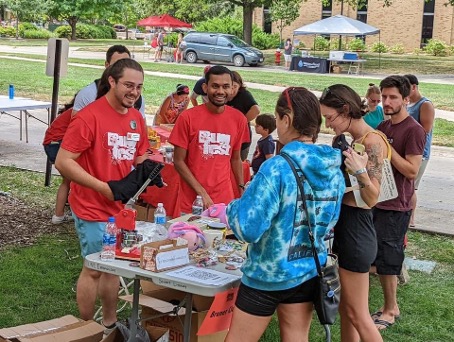
Indian Cave State Park, Nebraska, near the Missouri River, USA.Outreaching with the Bruner Entomology Club during the 2022 Bug Fest
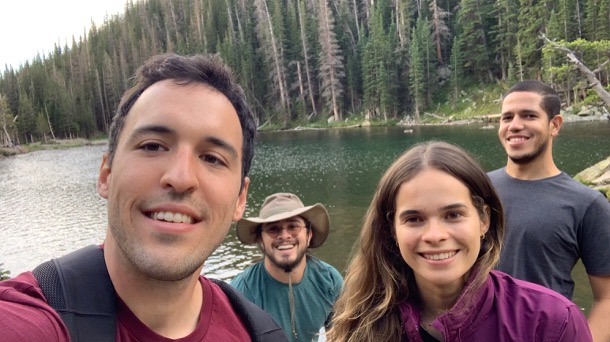
at the University of Nebraska-Lincoln, USA.Enjoying a hike with great friends at Emerald Lake in Rocky Mountain
National Park, Colorado. Left to right: Matheus Sacilotto, me, Alisson Silva, and Ana Paula Santana.
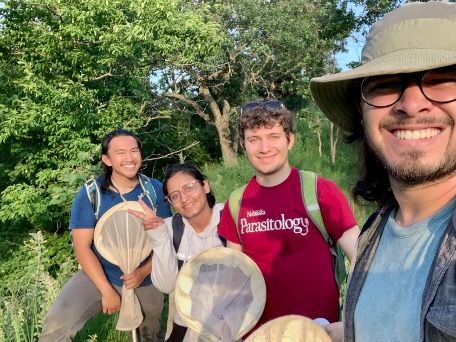
Collecting insects with great friends at Indian Cave State Park,
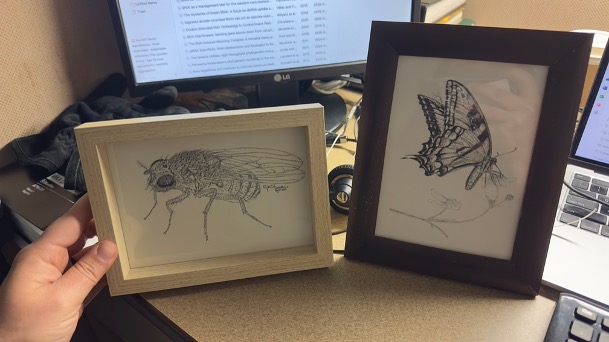
Nebraska, near the Missouri River, USA. Left to right: Earl, Raveneet, Banet, and me.Two illustrations I made, featuring common fruit fly on
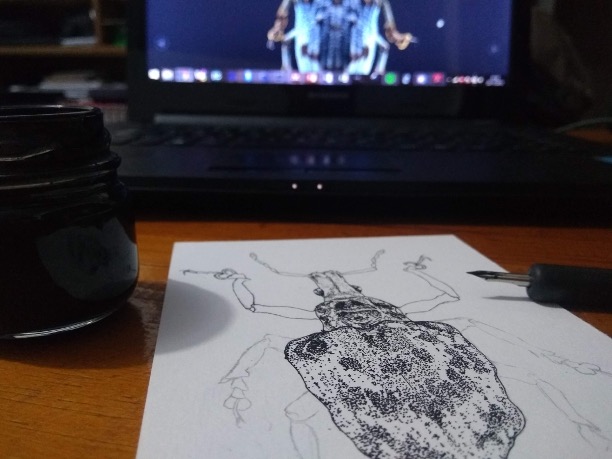
the left and a tiger swallowtail on the right.A beautiful weevil I drew for a friend. Indian ink on paper.
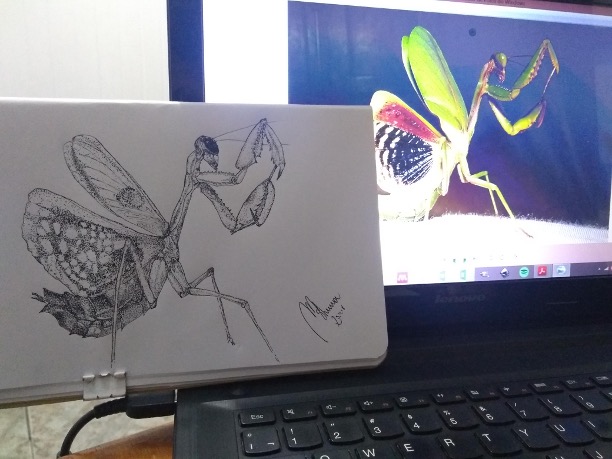
Praying mantis with open wings, drawn in a friend’s graduation
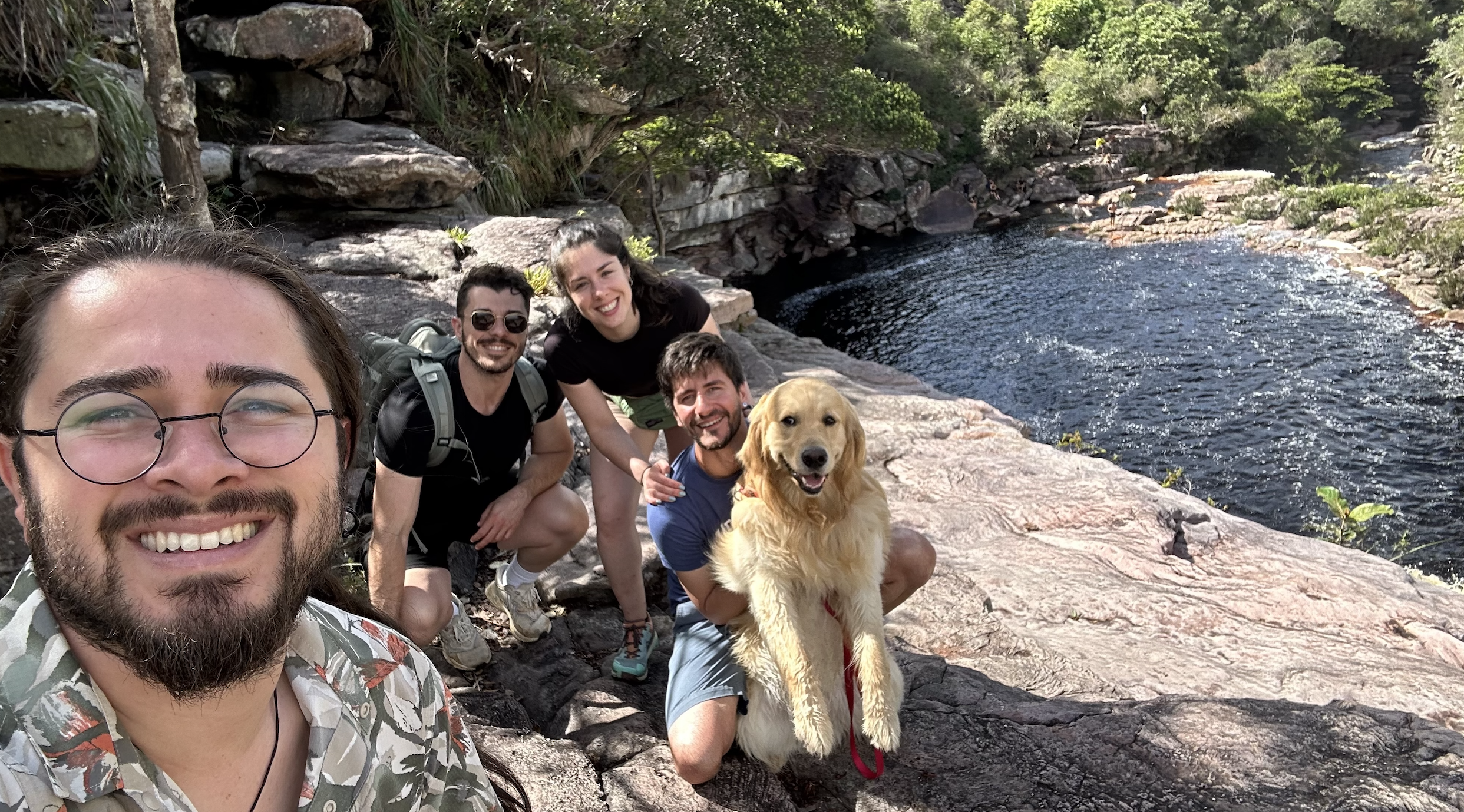
scrapbook. Indian ink on paper.Enjoying the cold waters and nice hiking in Chapada Diamantina, Bahia,
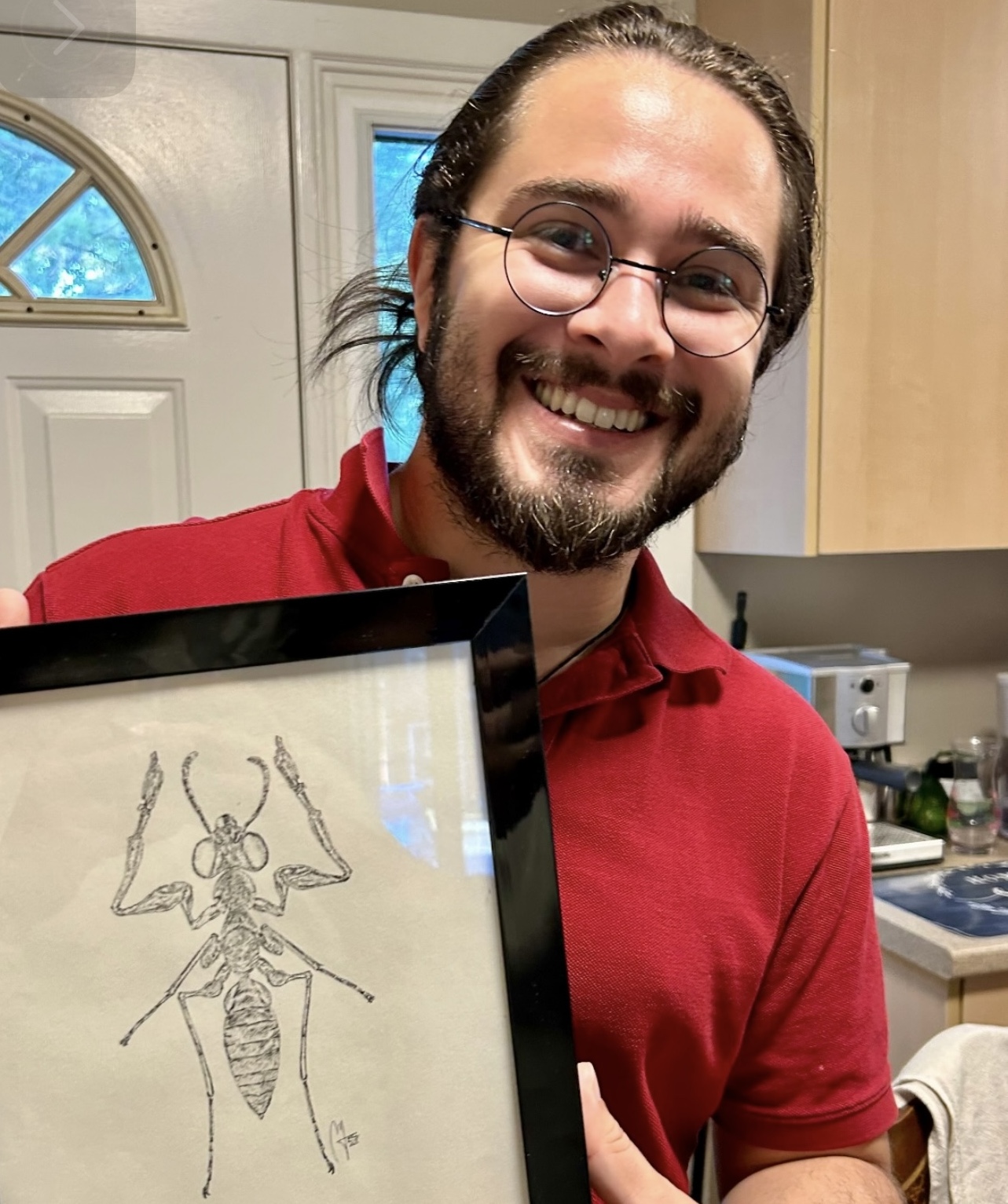
Brazil, with great company.Proud and happy to receive recognition for an illustration I made for
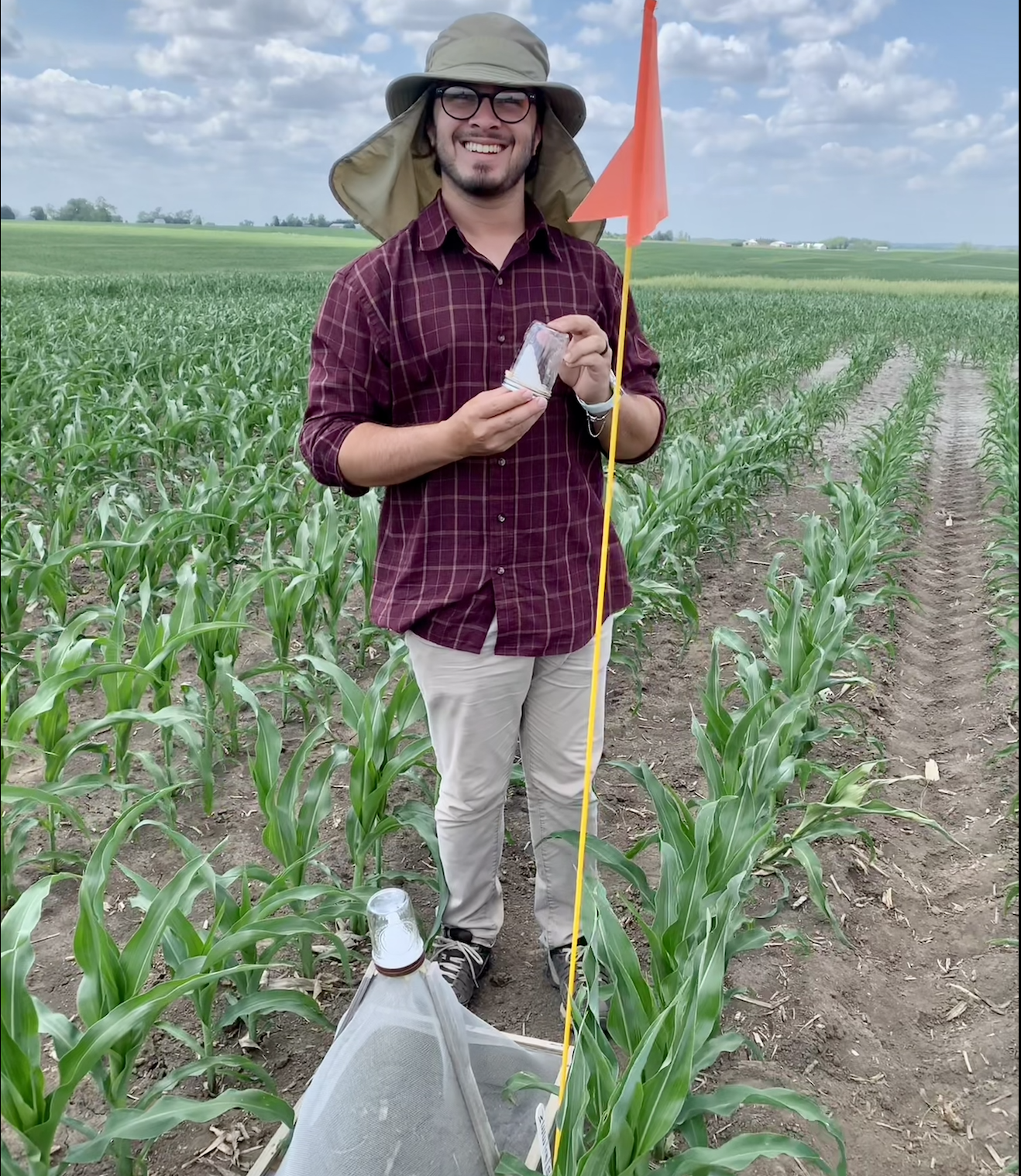
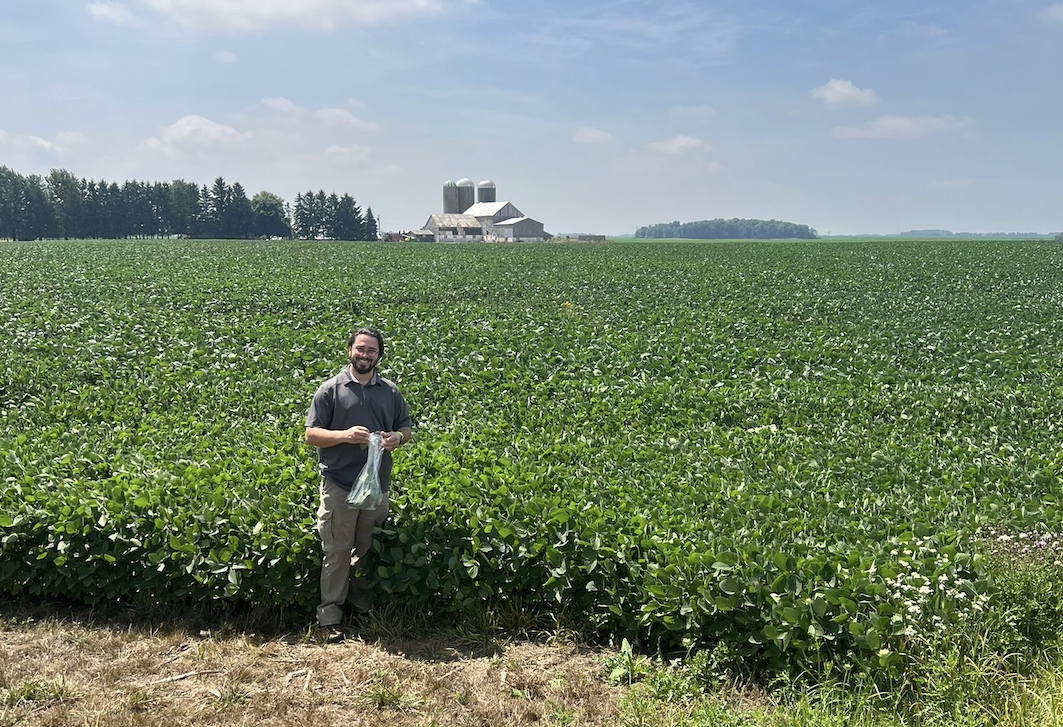
a great friend.Collecting spider mites in a soybean field. Happy as if I'd struck
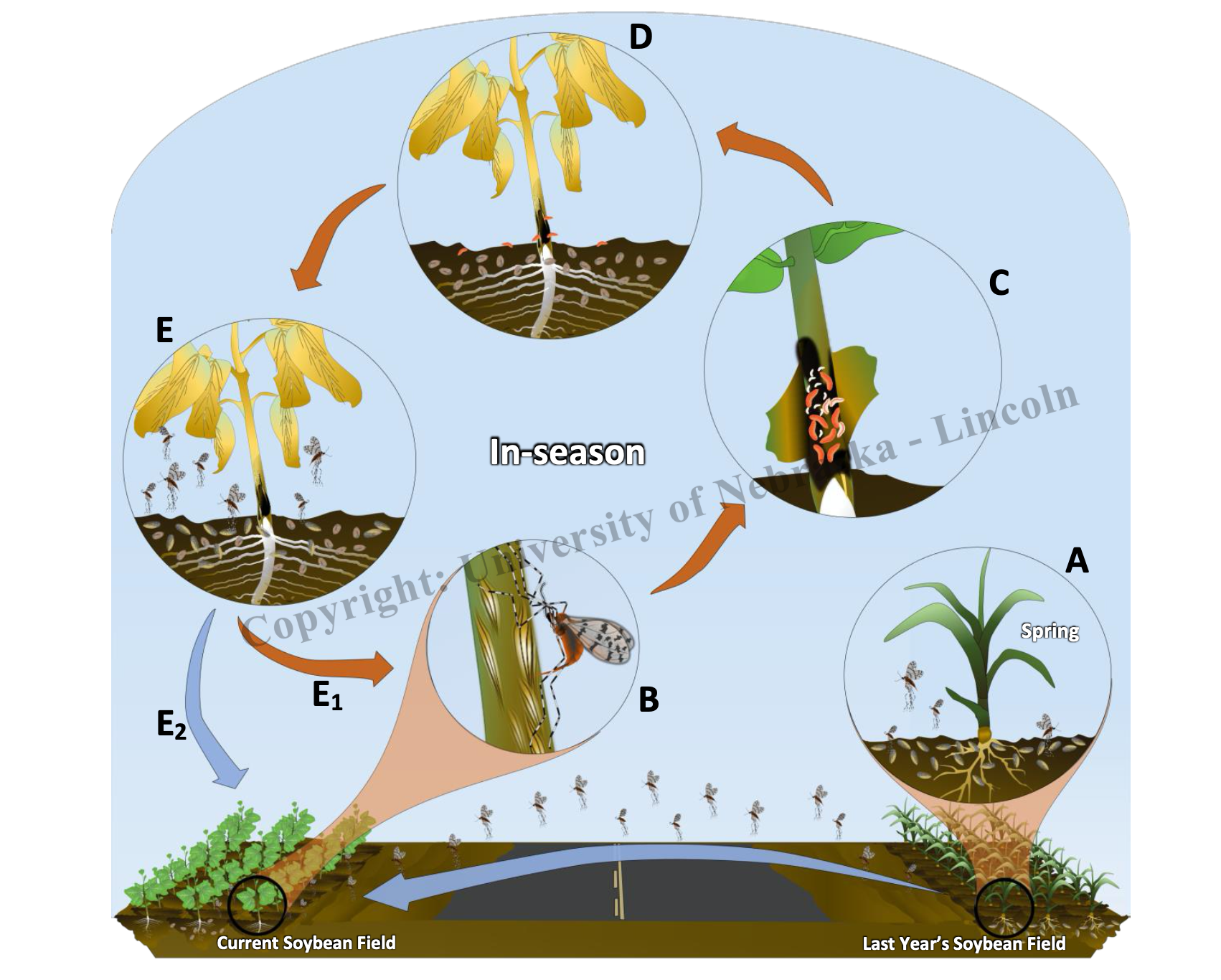
gold.Life cycle of the soybean gall midge that I illustrated for my
master's thesis.Members of the Grbić Lab.
The gallery advances automatically. You can also use the arrows or click an image to
enlarge it.